
The Alabama Solution
A reckoning on prison horrors through new documentary film

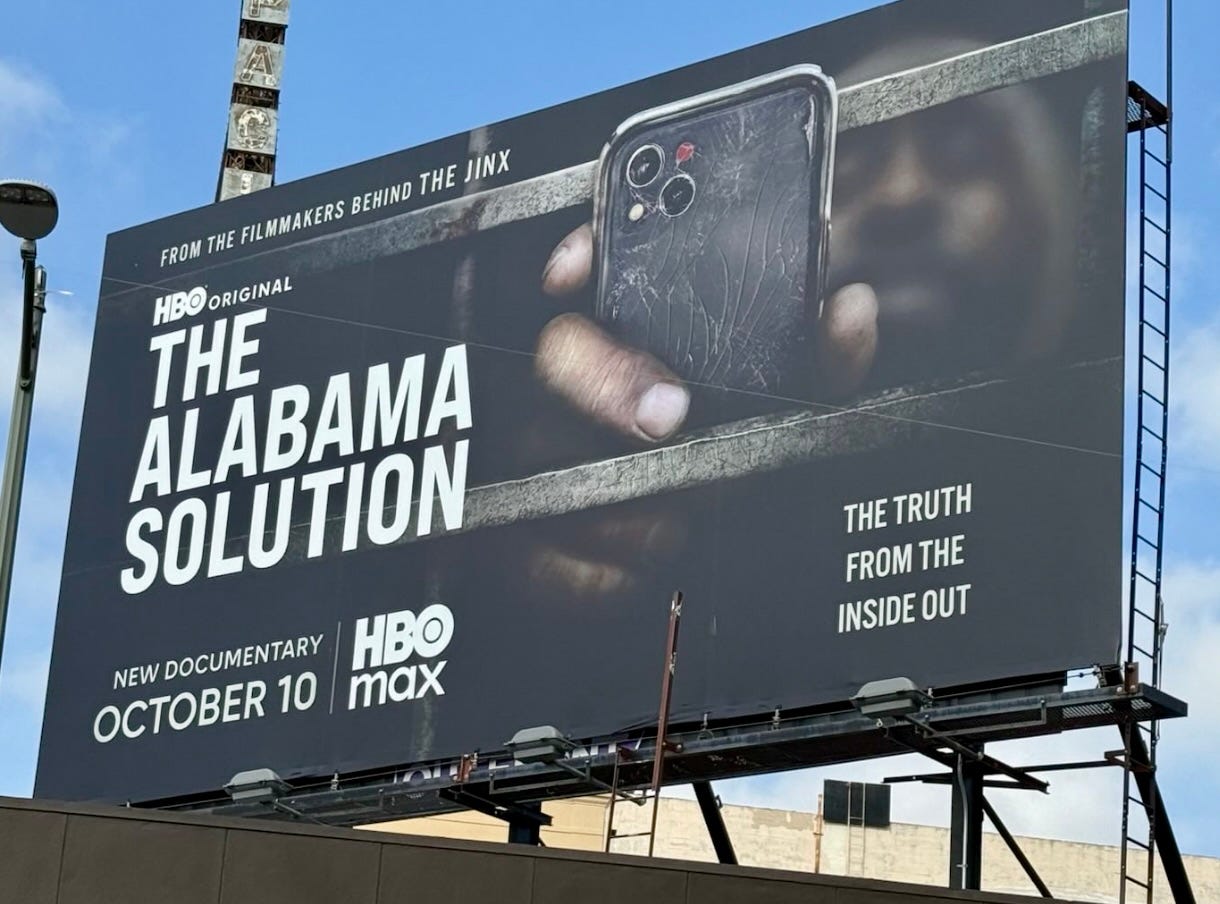
How do you tell the story about a prison system in crisis? How do you get people to care when they believe they don’t have to?
After six years of relentless work trying to answer these questions, The Alabama Solution documentary film is now out in the world. It premiered on HBO Friday October 10, and community screenings are scheduled all over the nation, including many in Alabama.
I served as co-producer on the film, directed by Andrew Jarecki and Charlotte Kaufman. The two of them, both based in New York, approached this project with incredible generosity, journalistic rigor and care. I knew from the beginning that this film had potential to cut through the maddening indifference to mass incarceration’s harms, and shake people awake.
Why Alabama? The state prison system features the highest homicide, suicide and overdose rates in the nation, ground zero for prison brutality. We wanted to represent the collective experience of struggling to survive this deadly reality, but it’s impossible to tell every story, every experience, every heartbreak, in a two-hour film.
What makes this film different is the centering of voices and images straight from inside prison— a true “show don’t tell”— including the use of videos that incarcerated whistleblowers recorded and shared using cell phones they’re not supposed to have, breaking the prison rules to document day-to-day atrocities, features of the system laid bare in grainy detail.
“Because of that, you’re able to see the truth about a reality that they’re gonna tell you doesn’t exist,” incarcerated activist Melvin Ray says in the film, reminding audiences that this rare window into the system comes at a cost. These men know the risk, but decided to get the story out anyway.
If you feel so inclined, you can sign this open letter calling for accountability, which includes protecting these men and ensuring they do not face retaliation for telling the truth.
The truth about what goes on inside prison is complicated, and the film represents some experiences, not all. What it does effectively is show a system in collapse, and the cruelty of this particular harm so many Alabama families face, met with walls of silence and a set of leaders who exhibit the urgency of sloths, napping in the comfortable shade.
When Charlotte first contacted me in 2019, I had just left a 20-year career in TV news. She and Andrew are both deeply interested in criminal justice issues, so naturally the ongoing bloodshed inside the Alabama Department of Corrections caught their attention. When they asked me to join their team, it was an easy yes.
What followed was the most expansive, immersive reporting project I’ve ever been involved in, with the most complicated assignment. How do we capture a human rights disaster in real time, happening inside secretive institutions with no access?
The answer revealed itself through the filmmaking process, made possible by a strong commitment from Andrew and Charlotte to get on the ground, follow every thread and pursue every investigative angle. Our small, dogged team also included Birmingham-based associate producer Chris Izor, and together, we all pounded pavement, attended meetings and events, and engaged in hundreds of hours of dialogue with sources and each other.
An example of this team’s grit: Charlotte, also director of photography on the film, moved into my basement apartment in Birmingham and stayed in Alabama for months at a time during the six-year filmmaking process.
I had watched the state’s inaction, deflection and defiance for years, frustrated by what little difference my own reporting seemed to make. This felt like a new opportunity to partner with people equally determined to peel back the layers and expose the rot at the heart of the crisis.
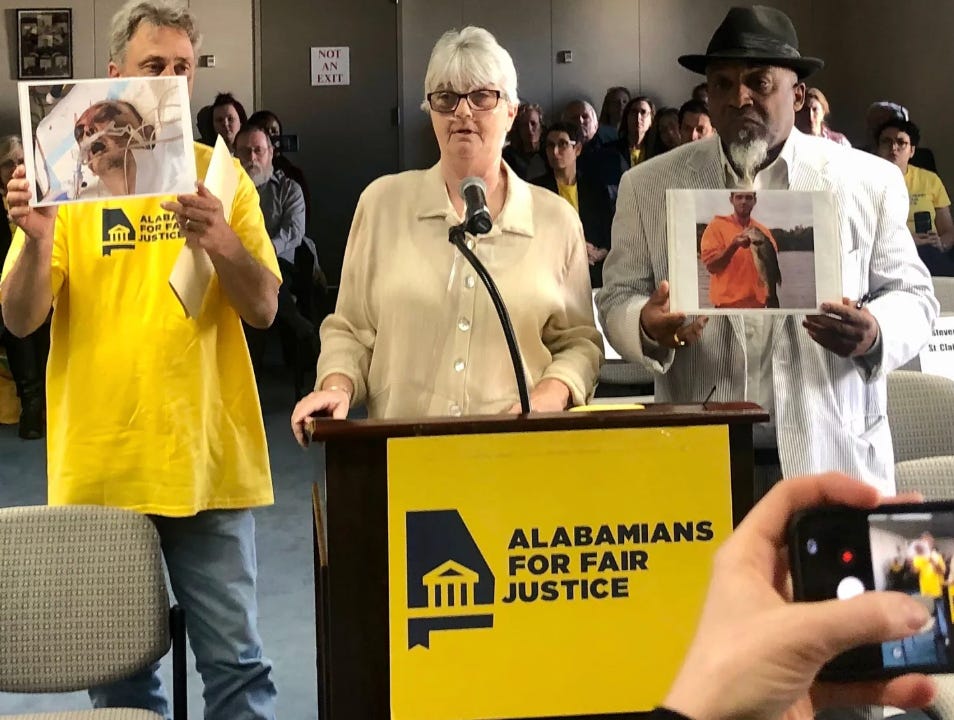
When we began reporting on the killing of Steven Davis, a man beaten to death by guards at Donaldson prison, Charlotte embedded with Steven’s indelible mother, Sandy Ray, moving into a spare bedroom of Sandy’s house. Through this commitment to getting proximate to the story, viewers are given intimate access to Sandy’s search for the truth and justice for her son, a rare window into a heartbreaking journey that has become all too common for families in Alabama.
Charlotte and Andrew also made a deep investment in building relationships with men on the inside, including Melvin Ray, Raoul Poole, and Robert Earl Council, also known as “Kinetik Justice,” all participants in the film.


These men have all spoken out about human rights and organized resistance to the system’s brutality and corruption. They’ve been targeted as a result, Melvin and Kinetik thrown into solitary confinement for years at a time, and Kinetik suffered a brutal assault by guards during the making of the film, the blood streaked floor of his cell captured by a cell phone in the aftermath.
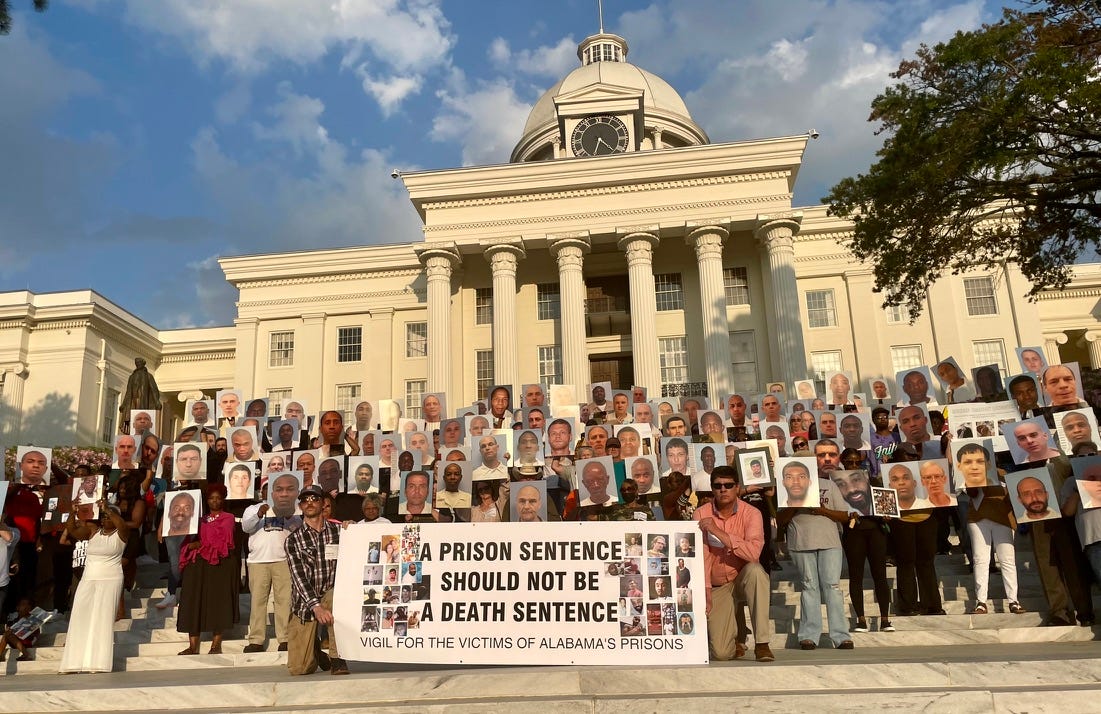
During the making of the film, more than 1300 people died inside Alabama prisons. We worked at tracking all of those deaths, and created an archive that includes their names and what we learned about how and why they died. This record, which lives on the film’s website, would not exist without the filmmakers’ commitment to preserving the truth and making sure it enters the public domain.
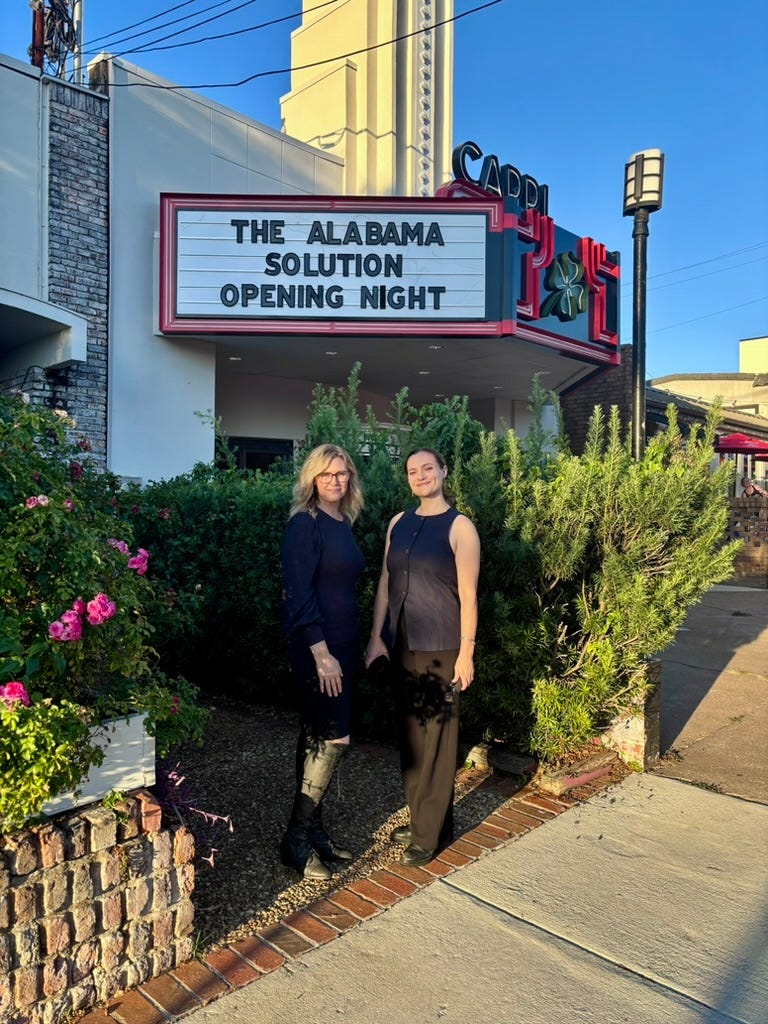
The night the film premiered on HBO, we held an Alabama opening night in Montgomery. It felt a bit like homecoming, with so many incredible people and families who helped tell this story coming together in community. I am grateful to know all of them, to serve as witness and truth teller in this collective struggle to create a more humane and just world. I hope the film elevates the need for sentencing and parole reform, and better programs to reduce suffering and increase healing, particularly for those living in prison with mental illness and addiction.


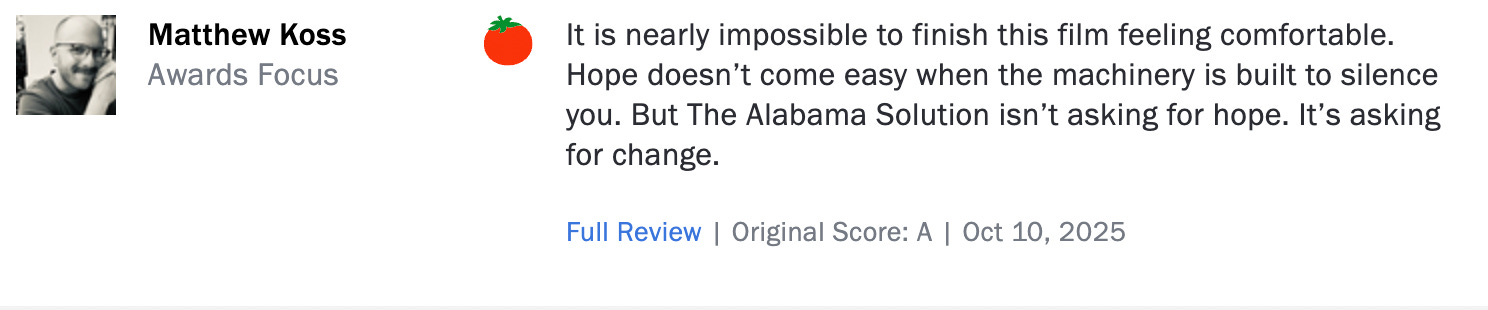
We need a more capacious vision of justice when our current version involves subjecting people to violence, abuse, neglect, drug trafficking and revolting conditions. Watch the film and you’ll see it. Then join the conversation about real solutions. As one reviewer so accurately states: the film isn’t asking for hope, it’s calling for change. And it’s long, long, long overdue.
Resources:
Beth, I just watched this & loved it! I shared it with everyone in my circle.
“The degree of civilization in a society can be judged by entering its prisons.” — Fyodor Dostoevsky
Thank you so much for this film. I write about film and criminal justice, and I was pained to experience the raw truth of this film. It's largely made up of what I've told people about the experience of incarceration, and I'm thankful that these voices were heard by a wide audience. I wrote about the film here. https://fromtheyardtothearthouse.substack.com/p/weekend-special-you-need-to-see-the